
Media Center
Blog
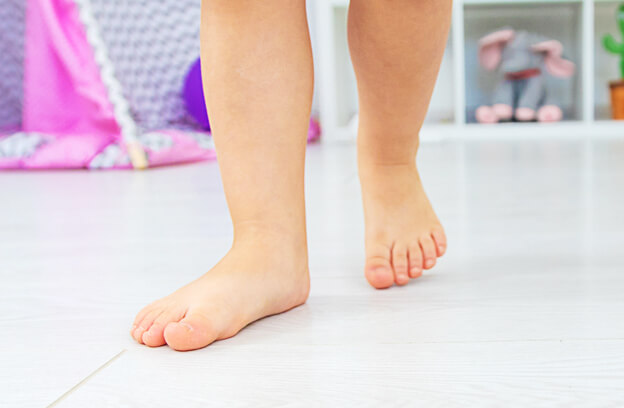
Many parents notice that their child's feet appear flat and wonder whether it's something they should be concerned about.
In most cases, flat feet are a normal part of childhood development. Children are typically born without fully formed arches, which gradually develop as they grow. However, if the arch does not develop as expected, or if flat feet are accompanied by pain, fatigue, or changes in walking, an evaluation may be recommended.
Flat feet, medically known as pes planus, occur when the arch of the foot is low or absent, causing most or all of the sole to come into contact with the ground when standing.
At Danat Al Emarat, our pediatric orthopedic specialists assess and manage flat feet in children, helping families understand when the condition is simply part of normal development and when additional support may be the right approach.
The arch of the foot plays an important role in balance, weight distribution, and shock absorption during movement. When the arch is absent or less developed, the foot may roll inward more than usual, which can sometimes affect posture, walking patterns, and overall comfort.
Many children with flat feet experience no symptoms at all. Some, however, may develop discomfort during sports, prolonged standing, or other physical activities.
For many children, flat feet are simply part of normal growth and development. In others, the condition may be influenced by factors that affect the structure and function of the foot.
Possible contributing factors include:
Flat feet can often be identified during a routine clinical examination.
During the assessment, specialists evaluate:
Imaging studies, such as X-rays, may occasionally be recommended if symptoms are significant or if further investigation is required.
One of the most important things for parents to know is that many children with flat feet do not require treatment. Because the arches continue developing throughout childhood, monitoring may be all that is needed in children who are symptom-free.
When symptoms are present, treatment focuses on improving comfort, supporting movement, and reducing strain on the feet and legs.
Management options include:
Surgical treatment is rarely necessary and is generally reserved for more complex cases that do not respond to conservative management.
The outlook for children with flat feet is generally excellent. Most children remain active, participate fully in sports and physical activities, and experience no long-term limitations.
For children who develop symptoms, early assessment can help identify the most appropriate support strategies and ensure healthy musculoskeletal development as they grow.
Not every child with flat feet needs treatment, but understanding when symptoms warrant further evaluation can provide valuable reassurance for families. Our pediatric orthopedic team works closely with parents to assess each child's development, answer questions, and provide personalized care that supports healthy movement, comfort, and confidence as children grow.

We partner with prominent health insurers to offer healthcare coverage for our patients.

Conveniently located in Rabdan, Abu Dhabi, offers a welcoming environment for women and children seeking exceptional healthcare.

We offer variety of rooms and services to suit your needs and requirements.

Reach out to us across any of our channels.


