
Media Center
Blog
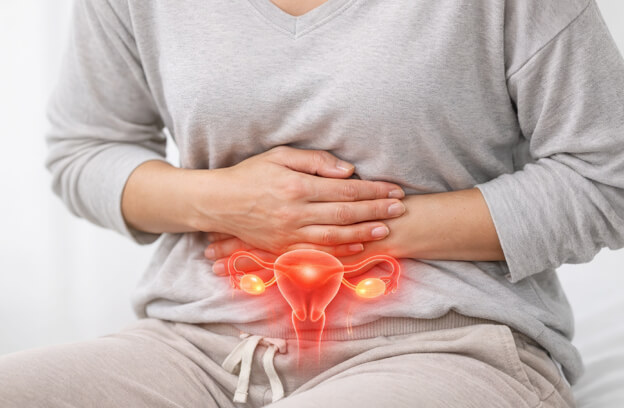
Severe period pain is often normalized, but it isn't always normal.
Many women with endometriosis spend years believing that severe menstrual pain, chronic pelvic discomfort, or painful intercourse are simply something they have to live with. In reality, these symptoms may be signs of an underlying condition that deserves specialist attention.
Endometriosis is a chronic condition in which tissue similar to the lining of the uterus grows outside the uterus. These growths are most commonly found in the pelvis, including the ovaries, fallopian tubes, and surrounding tissues. Over time, they can trigger inflammation, irritation, scarring, and, in some cases, fertility challenges.
At Danat Al Emarat, our women's health specialists provide comprehensive diagnosis and personalized treatment for endometriosis, helping women find answers, manage symptoms, and improve their quality of life.
The symptoms of endometriosis can vary significantly from one woman to another. Interestingly, the severity of symptoms does not always reflect the extent of the disease.
Common symptoms include:
Because many of these symptoms overlap with other gynecological conditions, diagnosis is often delayed.
Despite being one of the most common gynecological conditions, affecting 1 in 10 women, the exact cause of endometriosis remains unclear.
Researchers believe the condition develops as a result of several interacting factors, including hormonal, genetic, immune, and cellular influences.
Possible contributing factors include:
While no single theory explains every case, these factors are believed to contribute to the development and progression of the condition.
A diagnosis of endometriosis begins with a detailed discussion of symptoms, medical history, and a gynecological examination.
Further investigations may include:
Laparoscopy remains the most definitive method of diagnosing endometriosis, allowing specialists to directly visualize and assess affected areas.
Treatment is tailored to each woman's symptoms, age, lifestyle, and fertility goals.
Medical Management
Treatment may include:
Surgical Management
For women with more significant symptoms or disease progression, surgery may be the most suitable option.
Options may include:
Many women benefit from a combination of medical and surgical treatment approaches.
You should consider specialist evaluation if you experience:
Early diagnosis can help reduce complications, preserve fertility, and improve long-term quality of life.
Living with endometriosis can be physically and emotionally exhausting, particularly when symptoms affect daily activities, relationships, or fertility plans. Our dedicated multidisciplinary women's health team provides personalized care designed to help women better understand their condition, find effective symptom relief, and make informed decisions about their long-term health and reproductive goals.

We partner with prominent health insurers to offer healthcare coverage for our patients.

Conveniently located in Rabdan, Abu Dhabi, offers a welcoming environment for women and children seeking exceptional healthcare.

We offer variety of rooms and services to suit your needs and requirements.

Reach out to us across any of our channels.


